English
- Home
- ***Myung's Data Recovery Training ***
- Myung's Partner
- Myung's CCTV Recovery training
- Myung's logical Recovery Training
- Myung's Physical Recovery Training
- Myung's Digital forensic training
- Myung's SSD Recovery Training
- Myung's Smart Phone Recovery Training
- Myung's Basic Electronics Training
- Recovery Tool-PC3000
- Recovery Tool-PC3000 Mobile
- Recovery Tool-PC3000 Portable
- Recovery Tool-DFL
- WD Head Swap Doner
- Seagate Head Swap Doner
- Hellium HDD Recovery
- Dolpin Recovery Tool
- Dual Actuator HDD
- Common RAID Problem
- Recovery Software Market
- Recovery Tools Market
- Flash Tools Market
- Forensic Tools Market
- Duplicator Market
- Write Blocker Market
- Eraser Market
- Bitlocker Tools Market
- WindowsToGo Market
- [Electric Car Battery]
- [LCD Repairing Alliance]
- Members
- N.Am
- FE Asia
- W.Eu
- S.Eu
- N.Eu
- SW Asia
- SE Asia
- E.Eu
- S. Am
- Oce
- M.East
- Africa
- CIS
Home
- ***Myung's Data Recovery Training ***
- Myung's Partner
- Myung's CCTV Recovery training
- Myung's logical Recovery Training
- Myung's Physical Recovery Training
- Myung's Digital forensic training
- Myung's SSD Recovery Training
- Myung's Smart Phone Recovery Training
- Myung's Basic Electronics Training
- Recovery Tool-PC3000
- Recovery Tool-PC3000 Mobile
- Recovery Tool-PC3000 Portable
- Recovery Tool-DFL
- WD Head Swap Doner
- Seagate Head Swap Doner
- Hellium HDD Recovery
- Dolpin Recovery Tool
- Dual Actuator HDD
- Common RAID Problem
- Recovery Software Market
- Recovery Tools Market
- Flash Tools Market
- Forensic Tools Market
- Duplicator Market
- Write Blocker Market
- Eraser Market
- Bitlocker Tools Market
- WindowsToGo Market
- [Electric Car Battery]
- [LCD Repairing Alliance]
Headline range claims are ideal circumstances - level terrain, a light load, minimum power. A more reliable measure is simply usable watt-hours, calculated as volts times amp-hours. A typical 48V 14Ah pack gives 672Wh of capacity. Judging by capacity across the range tells you far more than advertised kilometres.
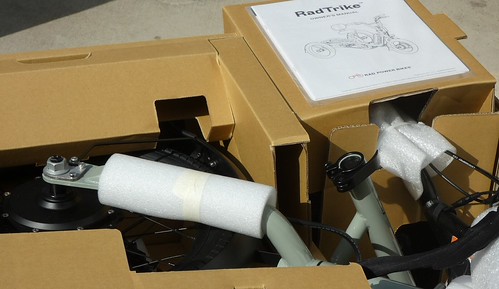
browse electric bikes here trikes address a specific problem: confidence for riders who find two wheels difficult. Riders returning to cycling commonly report that low-speed balance causes the difficulty, not the riding itself. An ultra-low step-through frame eliminates the mounting difficulty, and a rear basket makes it practical for daily use.
 The EN15194 standard defines the criteria a pedelec must meet compliant across the EU. It covers power and speed limits, build requirements and electrical system requirements. Compliant models may be used in most member states without a licence. Bikes beyond the thresholds are often categorised differently, which brings different rules.
Dual battery cargo bikes are now replacing short car journeys for families and small businesses. Large payload ratings is what makes it work, with twin battery setups covering longer routes. The financial argument is straightforward in cities: no parking or fuel, minimal maintenance and faster journeys in traffic.
The European e-bike market has grown substantially, so the format matters. Folding models are made for people needing compact storage. Fat tire and all-terrain designs manage gravel, sand and snow. Cargo models replace short car journeys. Verify the EN15194 standard before buying.
browse electric bikes here trikes address a specific problem: confidence for riders who find two wheels difficult. Riders returning to cycling commonly report that low-speed balance causes the difficulty, not the riding itself. An ultra-low step-through frame eliminates the mounting difficulty, and a rear basket makes it practical for daily use.
The EN15194 standard defines the criteria a pedelec must meet compliant across the EU. It covers power and speed limits, build requirements and electrical system requirements. Compliant models may be used in most member states without a licence. Bikes beyond the thresholds are often categorised differently, which brings different rules.Dual battery cargo bikes are now replacing short car journeys for families and small businesses. Large payload ratings is what makes it work, with twin battery setups covering longer routes. The financial argument is straightforward in cities: no parking or fuel, minimal maintenance and faster journeys in traffic.
The European e-bike market has grown substantially, so the format matters. Folding models are made for people needing compact storage. Fat tire and all-terrain designs manage gravel, sand and snow. Cargo models replace short car journeys. Verify the EN15194 standard before buying.