- Home
- ***Myung's Data Recovery Training ***
- Myung's Partner
- Myung's CCTV Recovery training
- Myung's logical Recovery Training
- Myung's Physical Recovery Training
- Myung's Digital forensic training
- Myung's SSD Recovery Training
- Myung's Smart Phone Recovery Training
- Myung's Basic Electronics Training
- Recovery Tool-PC3000
- Recovery Tool-PC3000 Mobile
- Recovery Tool-PC3000 Portable
- Recovery Tool-DFL
- WD Head Swap Doner
- Seagate Head Swap Doner
- Hellium HDD Recovery
- Dolpin Recovery Tool
- Dual Actuator HDD
- Common RAID Problem
- Recovery Software Market
- Recovery Tools Market
- Flash Tools Market
- Forensic Tools Market
- Duplicator Market
- Write Blocker Market
- Eraser Market
- Bitlocker Tools Market
- WindowsToGo Market
- [Electric Car Battery]
- [LCD Repairing Alliance]
- Members
- N.Am
- FE Asia
- W.Eu
- S.Eu
- N.Eu
- SW Asia
- SE Asia
- E.Eu
- S. Am
- Oce
- M.East
- Africa
- CIS
Home
- ***Myung's Data Recovery Training ***
- Myung's Partner
- Myung's CCTV Recovery training
- Myung's logical Recovery Training
- Myung's Physical Recovery Training
- Myung's Digital forensic training
- Myung's SSD Recovery Training
- Myung's Smart Phone Recovery Training
- Myung's Basic Electronics Training
- Recovery Tool-PC3000
- Recovery Tool-PC3000 Mobile
- Recovery Tool-PC3000 Portable
- Recovery Tool-DFL
- WD Head Swap Doner
- Seagate Head Swap Doner
- Hellium HDD Recovery
- Dolpin Recovery Tool
- Dual Actuator HDD
- Common RAID Problem
- Recovery Software Market
- Recovery Tools Market
- Flash Tools Market
- Forensic Tools Market
- Duplicator Market
- Write Blocker Market
- Eraser Market
- Bitlocker Tools Market
- WindowsToGo Market
- [Electric Car Battery]
- [LCD Repairing Alliance]
Wear insulated gloves and use instruments with insulated handles to avoid electric shocks. Insulation in electrical cables is crucial for security and performance, as it prevents unintended contact between conductive wires and external surfaces, decreasing the danger of electric shocks and brief circuits. Make sure the cable’s gauge (thickness) matches the current load, and choose cables with applicable insulation rankings for safety. These cables are manufactured from aluminum or steel which are put in for danger of mechanical aggression. Strength and adaptability : The cables that are used for any function will need to have a large insulation and should be simply put in. Long life and Heat Resistance : Because the cables are put in every sector show they need to require very much less maintenance as it is not feasible to maintain them in public or non-public amenities. Electrical cables are utilized in every sector that are used in transporting electrical energy from one level to a different. Q7. Can electrical cables be repaired if damaged? Yes, electrical cables could be repaired if damaged. These are specifically designed cables which are suitable for photograph voltaic panels and from panes to DC to AC inverter. These cables are composed of supplies that are electrically conducting with an outer insulating cover.
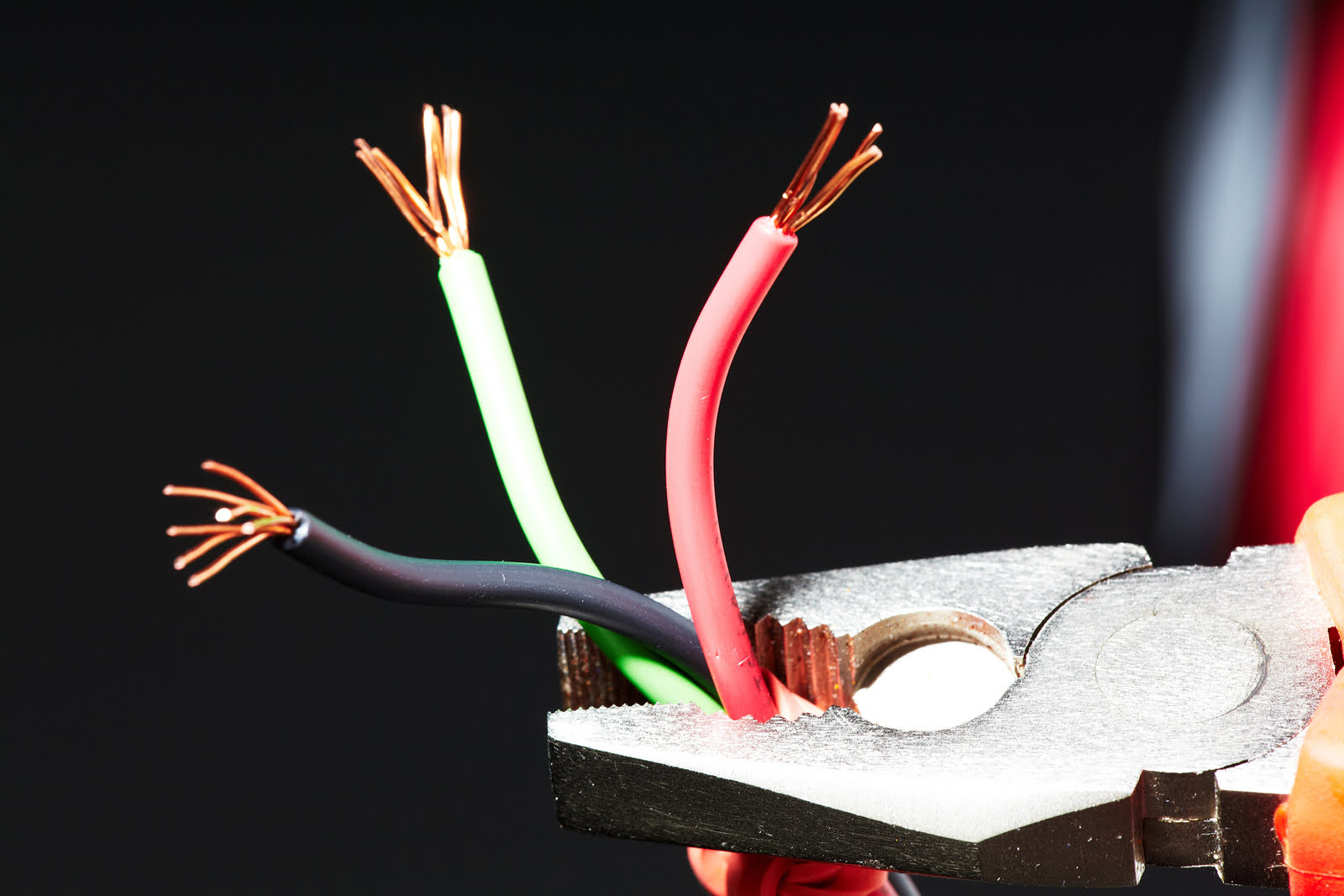 They're also insulated with insulating material to forestall them from exposing them to environment. The perform of cable will depend on the kind of cable used - the fabric and the safety used for that materials so primarily based on some phrases the cables are categorised from which network cable is used for the transmission of the sign. Red : Phase 2 or transmission wires. Black : Phase 1 lines are black used for energy generation. They transmit high-voltage power where the overhead lines are impractical to use and implement. The cable is used for the distribution and the transmission of the electrical cable where overhead strains are impractical to make use of. Additionally, it protects against environmental factors like moisture and heat, guaranteeing dependable and efficient electrical transmission. Coax are used for transmitting very high frequency alerts with very less loss of energy like for appliances like radio, antennas, transmitters. Coaxial Cable: Coaxial cable is broadly used for transmitting tv alerts and internet connections. This type of cable is used in environments where cables could be uncovered to mechanical hurt, equivalent to in industrial buildings or areas where cables run exposed fairly than behind walls. These cables consist of a conduction core which is surrounded by the another conducting layer.
 These cables have a core called cladding which is optically rarer than the core. This cable component is an outer overlaying that goes around a group of conductors or different core components. Q4. Can I exploit the same cable for indoor and outside applications? You should use the same cable for both indoor and outside purposes if it is rated for out of doors use. Consider cables and wires as roads, and cable connectors as bridges and intersections. These cables can have totally different configurations based mostly on their design on nationwide and international rules. This design helps minimize electromagnetic interference and crosstalk between pairs, which may degrade data transmission high quality. Cable conductor dimension is one main component of a cable’s design. Cables are typically made utilizing copper because it is a good conductor of electricity. Copper is well accessible however sometimes aluminum is also used in cable as it is more cheaper than copper and a good conductor.
The insulation are manufactured from polymer, plastic layer that cowl the conductor it from external contacts. Electrical cable insulation supplies are aplenty. Choosing the right kind of cable is important for any electrical set up. The anatomy of a cable offers you a clearer look at how each part contributes to total performance - a helpful reference when choosing the right answer to your application. These cables are made from materials that can maintain integrity and performance in excessive temperatures, ensuring steady operation below challenging circumstances. High-Temperature Cable: Designed to withstand excessive heat, high-temperature cables are utilized in industrial functions corresponding to furnaces, boilers, and different high-heat environments. By understanding the different types of electrical cables and their uses, professionals can guarantee they select one of the best product for his or her particular wants, resulting in safer and extra reliable electrical techniques. To identify different types of electrical cables, look on the labeling and coloration coding on the cable sheath, which point out specs like voltage ranking, wire gauge, and insulation kind. Q3. What's the importance of insulation in electrical cables? The cables are generally coloration coded. Different artificial polymers are used for insulation.